Real-time visibility and control over your vehicle assets
Effective fleet management is essential for organizations that depend on vehicles to deliver products or services. Whether you operate a handful of service vehicles or a large commercial fleet, understanding where your assets are and how they're being used creates opportunities to reduce costs, improve service, and enhance safety.
Fleet management systems combine GPS tracking hardware with software platforms that turn raw location data into actionable business information. For commercial operations, the hardware has to be robust enough to perform reliably in demanding conditions.
Fleet GuideComprehensive tools to optimize your fleet performance
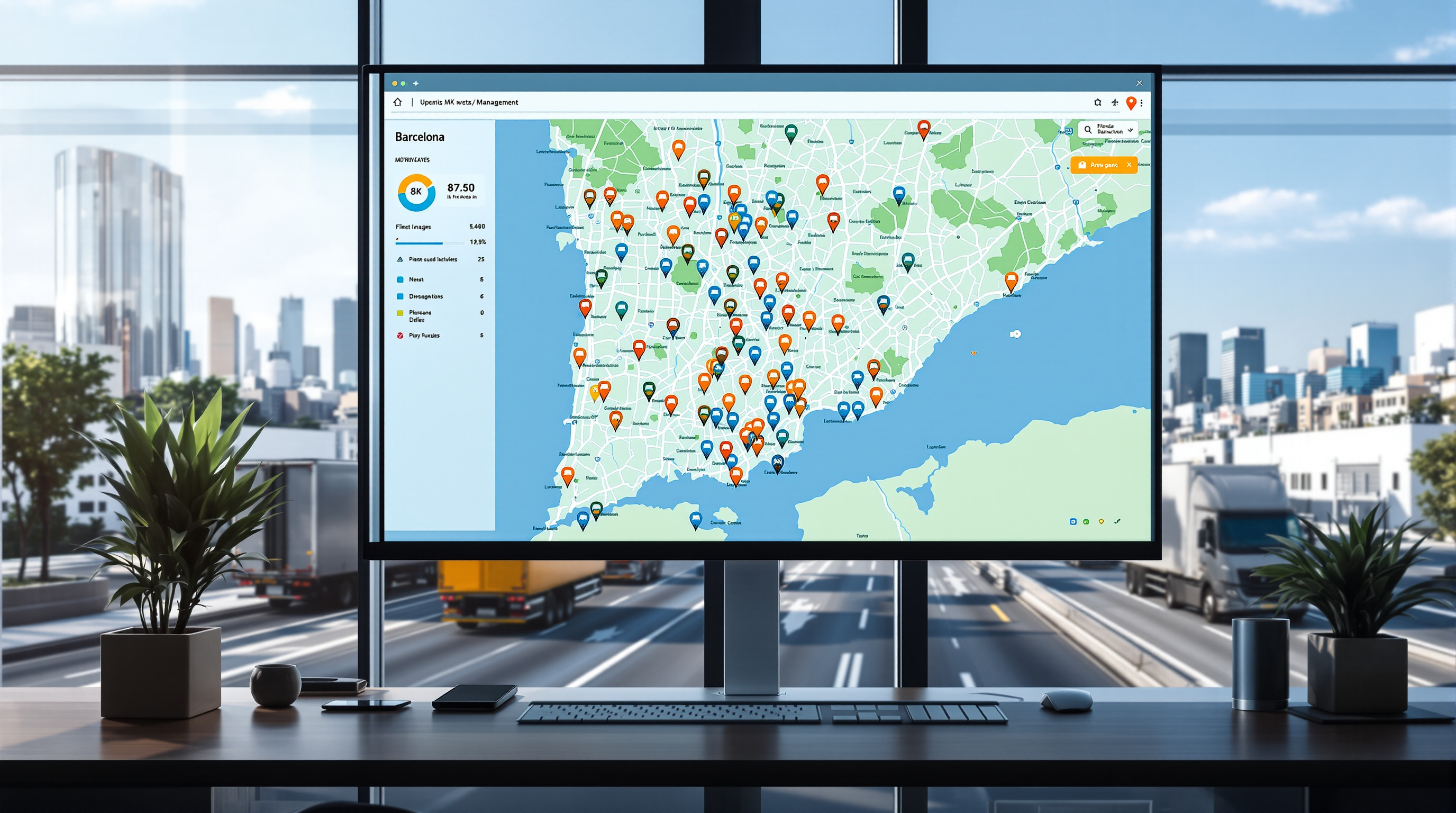
Know exactly where every vehicle is, with position updates as frequent as every few seconds. Historical playback allows you to review routes and stops.
Plan efficient routes that minimize fuel consumption and maximize the number of stops possible within time windows.
Track speeding, harsh braking, and excessive idling to improve safety and reduce wear on vehicles.
Create virtual boundaries that trigger alerts when vehicles enter or leave designated areas.
Automate service reminders based on mileage or engine hours to prevent costly breakdowns.
Monitor fuel consumption patterns and identify opportunities to reduce fuel costs across your fleet.
Measurable returns across multiple areas of operation
Fleet management technology delivers measurable returns across multiple areas of operation. Transportation industry studies, including research from the International Road Transport Union, consistently show that organizations implementing GPS tracking typically achieve fuel savings through reduced idling and more efficient routing. Improved visibility into driver behavior often correlates with reduced accident rates and insurance costs.
Beyond direct cost savings, fleet management enhances customer service by enabling accurate delivery time estimates and proof of service. Dispatchers can respond more effectively to changing conditions, rerouting vehicles in real-time to address urgent needs or avoid traffic delays.
For organizations with compliance requirements, fleet management systems provide automated record-keeping that simplifies regulatory reporting. Electronic logs replace paper systems, reducing administrative burden while improving accuracy.
The European Commission's tachograph guidance explains that these devices record driving time, breaks, rest, other work and driver availability. Installation is mandatory in new goods vehicles over 3.5 tonnes and new passenger vehicles carrying more than nine people, including the driver. From 1 July 2026, the requirement also covers light commercial vehicles between 2.5 and 3.5 tonnes engaged in international transport for hire or reward. Smart tachographs record vehicle positions at certain moments using GNSS, alongside driver activity protected by strong anti-tampering measures. The driver's personal card stores at least 56 days of driving activity. Position and activity records serve different purposes within the same device. The relationship between satellite services, navigation-message authentication and these records is explained in the satellite positioning for fleets guide.
An emerging area of fleet management involves monitoring driver wellness indicators alongside vehicle telemetry. Fatigue detection systems, cabin temperature monitoring, and scheduled break enforcement help fleet operators safeguard driver health while maintaining productivity. Research from the Federal Motor Carrier Safety Administration has documented the correlation between driver fatigue and accident rates, underscoring the importance of technology-assisted wellness monitoring in commercial fleet operations.
Solutions tailored for your sector
Optimize routes, provide accurate ETAs, and capture proof of delivery for customer satisfaction and dispute resolution.
Track equipment across job sites, monitor unauthorized use, and improve asset utilization for better project management.
Dispatch the nearest available technician, verify job site arrivals, and improve response times for better customer service.
Monitor driver hours, ensure regulatory compliance, and optimize fleet utilization for maximum efficiency.
What a well-run implementation involves
A sound implementation begins with understanding operational requirements, fleet composition and business objectives, so that the hardware and software configuration addresses specific needs without unnecessary complexity or cost.
Hardware installation should cause minimal disruption to operations, and training for administrators, dispatchers and drivers is what makes adoption effective. Ongoing support normally covers software updates, hardware maintenance and advice as fleet management needs evolve.
The same steps apply whether an organization is implementing fleet management for the first time or upgrading an existing system.
Review the fleet-management guide to understand tracking, reporting and operational requirements.
Platform Guide