Reliable two-way radio systems for every operational environment
Professional radio communication remains the backbone of coordinated operations across countless industries. From construction sites to hospitality venues, from logistics centers to public safety operations, two-way radios provide the instant, reliable communication that mobile phones simply cannot match.
This guide explains how professional radio systems work and how to match one to an organization's needs, from a handful of handheld radios to a wide-area digital network.
Radio GuideThe future of professional communications
The transition from analog to digital radio technology has transformed professional communications. Digital systems offer significant advantages including clearer audio quality, enhanced privacy through encryption, expanded coverage from the same power output, and advanced features like text messaging, GPS location, and emergency alerting.
Moving from analog to digital needs careful planning, so that existing investments in analog equipment are protected while the benefits of the new technology are captured.
Background on the standards behind these digital features is available from telecommunications industry research from ETSI, the European standards body for telecommunications. The ability to integrate voice communication with data applications creates opportunities for operational improvements that weren't possible with analog systems.
ETSI's TETRA standard, short for Terrestrial Trunked Radio, defines digital trunked mobile radio for professional users, including transport operators, utilities and public safety organizations. ETSI's technical committee maintains and develops the TETRA standard. Its architecture scales from a single site to wide-area and nationwide networks. Fast group-call setup supports coordinated communication, while Direct Mode Operation allows terminals to talk directly without network infrastructure when coverage is unavailable or a network is out of service. Other capabilities include voice encryption, emergency-call priority under heavy network load and full-duplex voice connections with telephone networks. Standardized interfaces support equipment from different manufacturers within the same network. These are capabilities of a technical standard; they describe communication functions rather than the performance of a particular product or installation.
A newer development in professional communications is Push-to-Talk over Cellular technology, which leverages existing 4G and 5G mobile networks to provide radio-like communication without dedicated RF infrastructure. While PoC solutions offer advantages in coverage flexibility and rapid deployment, they depend on cellular network availability and may not meet the latency or reliability requirements of safety-critical applications. PoC is best treated as a complementary tool alongside traditional radio systems, and hybrid approaches can combine the strengths of both technologies.
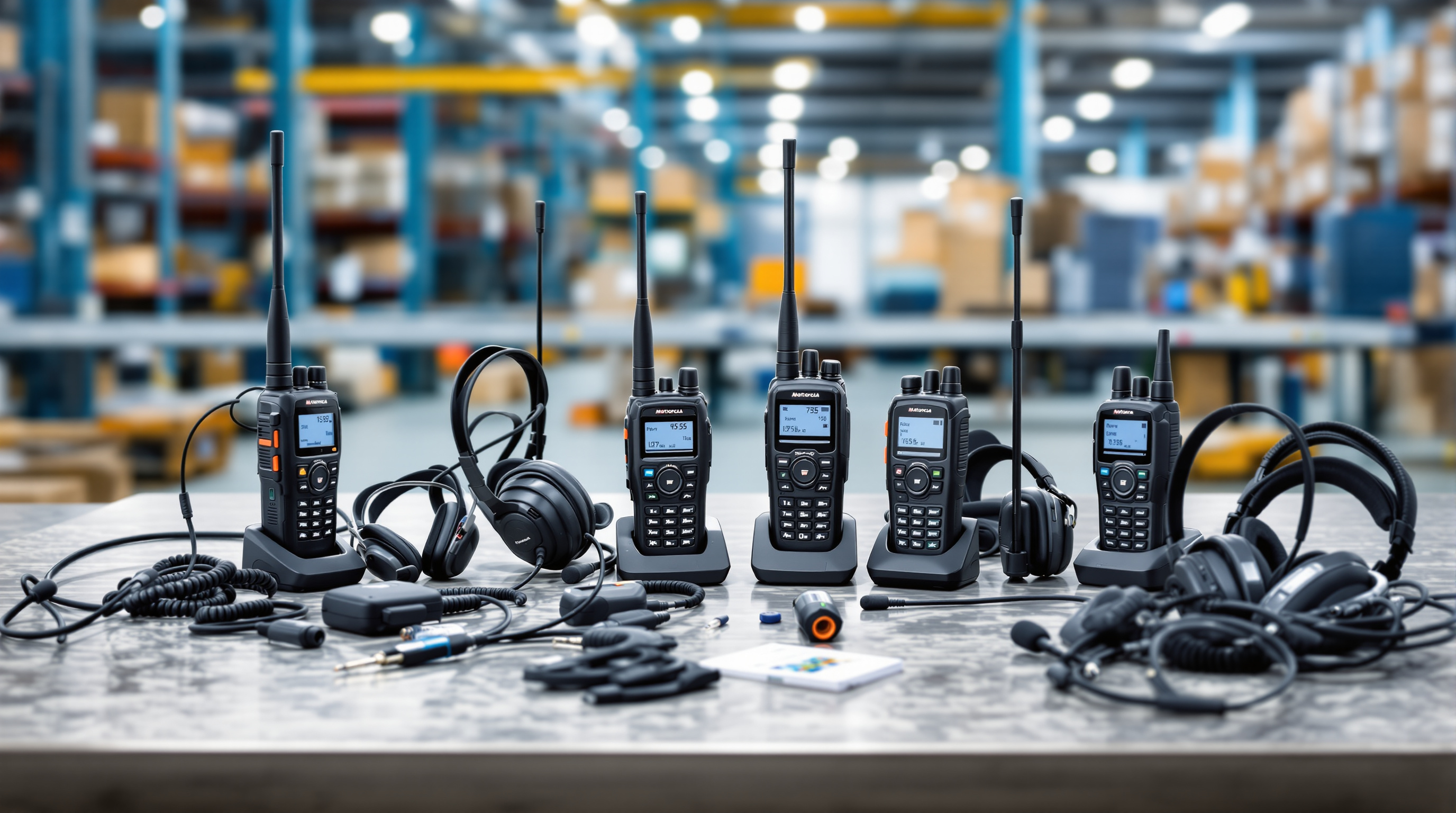
Tailored systems for your specific operational needs
Rugged radios designed to withstand harsh environments, with features like noise-canceling audio and man-down alerts for worker safety.
Discrete communication solutions for hotels, conference centers, and event venues where professional appearance matters.
Wide-area coverage systems for fleet operations, with GPS integration for enhanced coordination and dispatch efficiency.
High-reliability systems with emergency features, encryption, and integration with monitoring centers for critical response.
What to weigh when choosing between manufacturers' radio ranges
Platform and standards Ranges run from basic business radios to sophisticated trunked systems for large organizations. Check which digital standard a range uses and whether it will work with equipment already in service.
Value and durability For commercial applications, reliability and durability usually matter more than the length of a feature list, so compare ruggedness ratings, battery life and accessory choice.
Specialist bands Some ranges focus on marine, aviation or amateur radio, which use regulated communication bands with their own licensing and equipment rules.
What professional radio suppliers commonly offer, from design to deployment and beyond
Analysis of communication requirements and a system design matched to operational needs.
Equipment can usually be bought outright, leased, or rented for temporary needs; each suits a different budget and time frame.
Professional installation and configuration to ensure your system performs optimally from day one.
Guidance through the radio licensing process to ensure compliance with Spanish telecommunications regulations.
Ongoing maintenance programs and rapid repair services to minimize downtime and extend equipment life.
Round-the-clock support for mission-critical systems with rapid response for emergency situations.
Use the planning guide to compare radio coverage, equipment and interoperability requirements.
Planning Guide